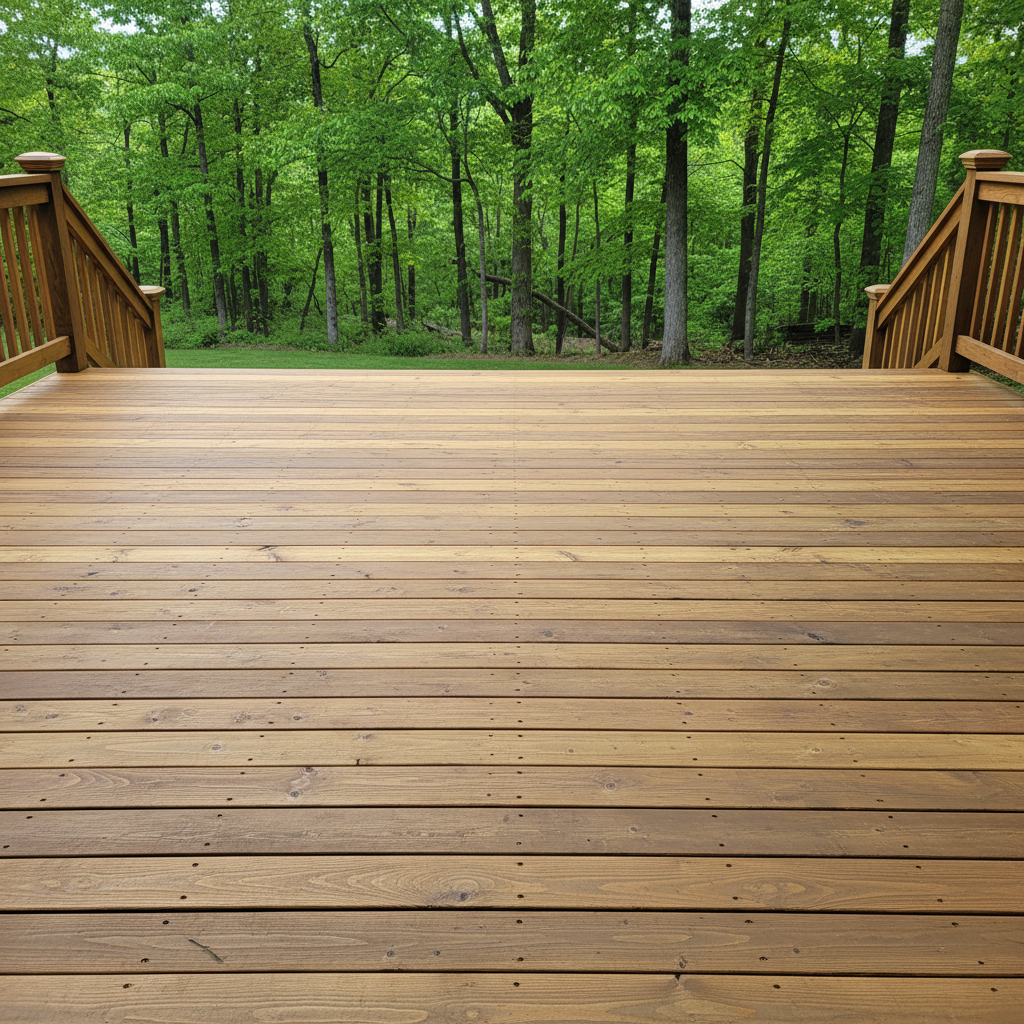
So, you're dreaming of a new deck out back, huh? Maybe a nice spot for grilling, or just somewhere to relax and watch the kids play. That's a great idea, and a well-built deck can really transform your outdoor living. But before you start sketching plans on a napkin, let's get real about what goes into building one, and what you can probably tackle yourself versus when you absolutely need a pro.
Before You Even Buy a Single Board
First things first: planning. This isn't just about how big you want it. You've got to think about permits. Here in Morganton, any structure like a deck usually requires a building permit from the city or county. Don't skip this step. Trust me, trying to get a permit after the fact is a headache you don't want. They'll want to see plans, how it's attached to the house, footing depths, and all that jazz. If you're hiring someone like Paradise Deck Solutions, we handle all that paperwork for you, but if you're DIYing, it's on you.
Next, think about your yard. Is it flat? Sloped? Do you have any underground utilities running where you want to build? You'll need to call 811 before you dig, no matter what. Hitting a gas line is a lot worse than just slowing down your project. Also, consider drainage. You don't want water pooling under your new deck.
Then there's design. What kind of deck do you want? Ground-level? Elevated? What material? Pressure-treated lumber is common and affordable, but composite decking is super low-maintenance, though it costs more upfront. Think about how you'll use it. A small grilling platform is different from a large entertaining space.
During Construction: DIY or Call a Pro?
Okay, you've got your permits, your plans, and your materials. Now for the actual build. This is where a lot of homeowners hit a wall, and honestly, for good reason. Deck building isn't just about screwing boards together.
- Footings: This is literally the foundation of your deck. Here in Burke County, with our clay soils, you need to make sure those footings are deep enough and wide enough to prevent settling and frost heave. If those aren't right, your deck will sag and shift, and that's a safety hazard. Digging these correctly, pouring concrete, and setting post anchors precisely is critical. This is often where I see DIYers make big mistakes.
- Ledger Board & Framing: How the deck attaches to your house (the ledger board) is super important. It needs to be flashed correctly to prevent water intrusion into your home's structure. The framing itself needs to be square, level, and strong enough to support the weight of people, furniture, and snow. Calculating joist spans and beam sizes isn't guesswork; it's structural engineering.
- Stairs & Railings: These are safety items. Stair treads need to be consistent, railings need to be sturdy and meet code requirements for height and baluster spacing. You don't want someone falling because a railing wasn't installed right.
What can you realistically DIY? If you're handy, you might be able to handle the decking boards themselves, or maybe even the railing infill once the main structure is up. Things like staining or sealing the deck after it's built are definitely homeowner-friendly tasks. But for the structural stuff – the footings, the main framing, attaching it to the house – that's where I strongly recommend bringing in someone with experience. It's not just about getting it done; it's about getting it done safely and to code.
After the Build: Keeping Your Deck in Top Shape
Once your deck is built, whether by you or a pro, the work isn't entirely over. You'll need to maintain it. If it's wood, that means cleaning, staining, or sealing every few years to protect it from our Morganton weather – those hot summers and wet winters can really take a toll. Check for loose boards, wobbly railings, or popped nails regularly. Keep an eye out for any signs of rot, especially where wood meets the ground or where water might collect.
Even composite decks need a good cleaning now and then to prevent mildew buildup. Just a little regular care will ensure your deck lasts for decades and remains a safe, enjoyable space for your family. If you ever have questions or see something that doesn't look right, don't hesitate to give us a call at Paradise Deck Solutions. We're always happy to offer advice or come take a look.