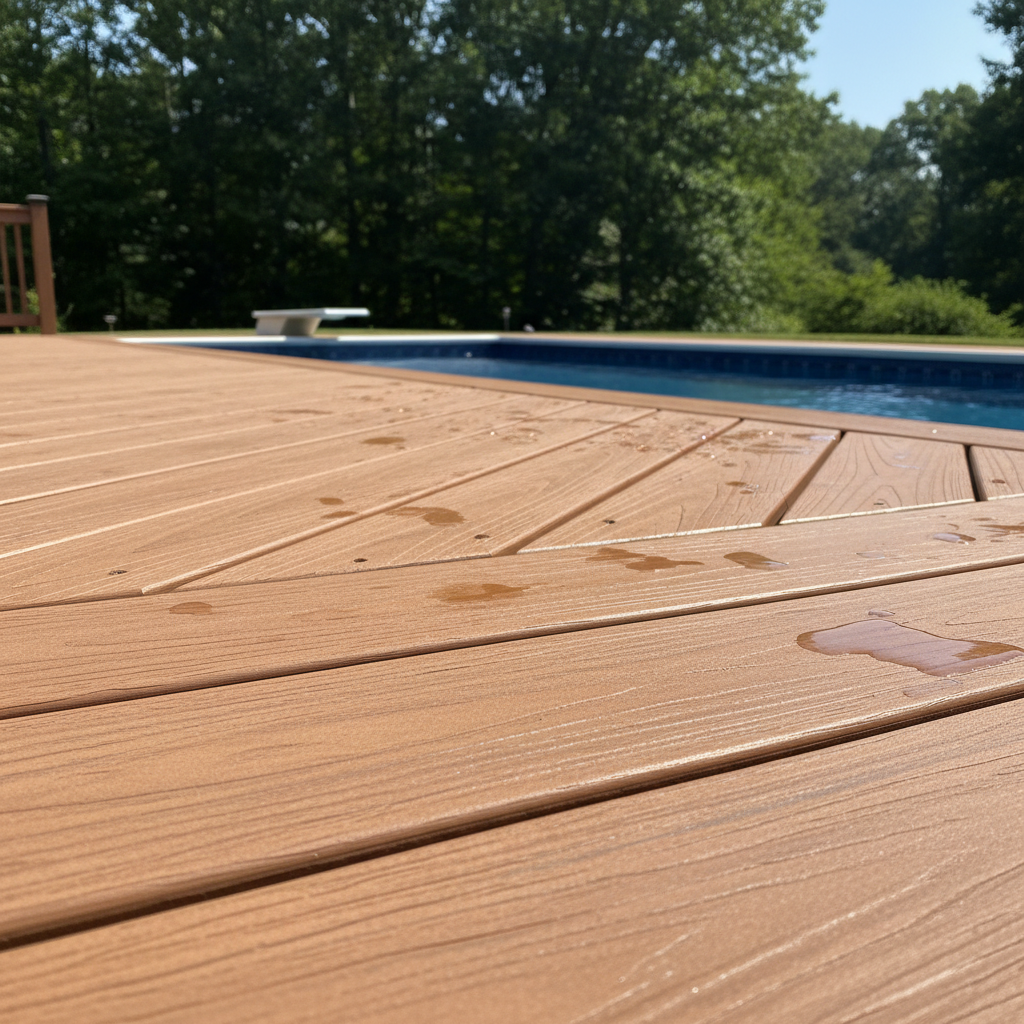
What's the best material for a pool deck around here?
That's usually the first thing folks ask me, and for good reason. Around Morganton, we see a lot of different conditions – hot, humid summers, and then some pretty cold winters. You need something that can handle that kind of swing without cracking or getting too slick. Concrete is a classic for a reason; it's durable, relatively inexpensive, and you can stamp it or color it to look pretty good. Pavers are another solid option. They're individual pieces, so if one gets damaged, you can replace just that one. They also offer a lot of design flexibility. For a more natural look, I've done a lot of beautiful wood decks, especially cedar or pressure-treated pine, but they do need more maintenance – sealing and staining every year or two to keep them looking good and prevent rot. Composite decking is a fantastic low-maintenance alternative to wood. It won't splinter, rot, or warp, and usually comes with a long warranty. It costs more upfront, but you save on maintenance over time. For pool decks, I really lean towards concrete, pavers, or composite because of their slip resistance and durability in our climate.
How important is drainage for a pool deck?
Extremely important. I can't stress this enough. Poor drainage around a pool deck isn't just an annoyance; it can cause real problems. Standing water can lead to algae growth, making the deck slippery and dangerous. It can also undermine the deck's foundation over time, leading to cracks or uneven settling, especially with the clay soils we often have around areas like the Lake James side of Morganton. We always design with proper slopes away from the pool and house, and sometimes incorporate trench drains or French drains to manage runoff effectively. You want that water to get away from your deck and your home's foundation as quickly as possible.
What about slip resistance? My kids are always running around.
Safety is paramount, especially with kids. You absolutely need a slip-resistant surface around a pool. Smooth, polished surfaces might look sleek, but they're a hazard when wet. With concrete, we can add a textured finish, like a broom finish or an exposed aggregate. Pavers naturally have a bit more grip due to their porous nature and the joints between them. If you go with wood, make sure it's not overly sanded smooth, and consider anti-slip treatments. Composite decking often has textured surfaces designed to improve traction. When I'm talking with clients, I always bring up slip resistance early on because it's non-negotiable for a safe pool area.
How long does a pool deck project usually take?
That's a tough one to give a single answer for because it really depends on the size of the deck, the material chosen, and the complexity of the design. A simple concrete slab might take a few days once we're on site, after prep work. A more elaborate paver or composite deck with multiple levels or intricate patterns could take a week or two, sometimes more. Then you've got to factor in curing time for concrete, or if we hit any unexpected issues like rock during excavation, which happens sometimes around here. We'll give you a clear timeline upfront, but generally, plan for at least a week for most projects, and sometimes up to three or four for larger, more complex designs. We work hard to get it done efficiently without cutting corners.
What kind of maintenance will my new pool deck need?
Maintenance varies a lot by material. If you choose concrete, it's pretty low maintenance. A good power wash once a year to remove dirt and mildew is usually all it needs. You might want to reseal it every few years to protect it and keep it looking fresh. Pavers are similar; occasional sweeping, spot cleaning, and maybe a power wash. You'll want to check the sand in the joints periodically and refill if necessary. Wood decks need the most attention – cleaning, sanding, and then staining or sealing annually or biennially to protect against our sun and moisture. Composite decking is the easiest; usually just soap and water cleaning. No staining or sealing ever. I always tell folks to consider their willingness to do maintenance when picking a material. If you're not into regular upkeep, composite or concrete is probably your best bet.
Can I add features like built-in seating or lighting to my pool deck?
Absolutely, and I highly recommend it! Those kinds of features really elevate a pool deck from just a functional space to an outdoor living area. Built-in seating, maybe with some storage underneath, is super practical and looks great. Integrated lighting, whether it's subtle LED strips under capstones or path lights, extends the usability of your deck into the evening and adds a fantastic ambiance. We can also incorporate things like fire pits, outdoor kitchens, or even pergolas for shade. When we're designing, we'll talk about how you plan to use the space, and then we can suggest features that will make your Paradise Deck Solutions pool deck truly special and fit your lifestyle.