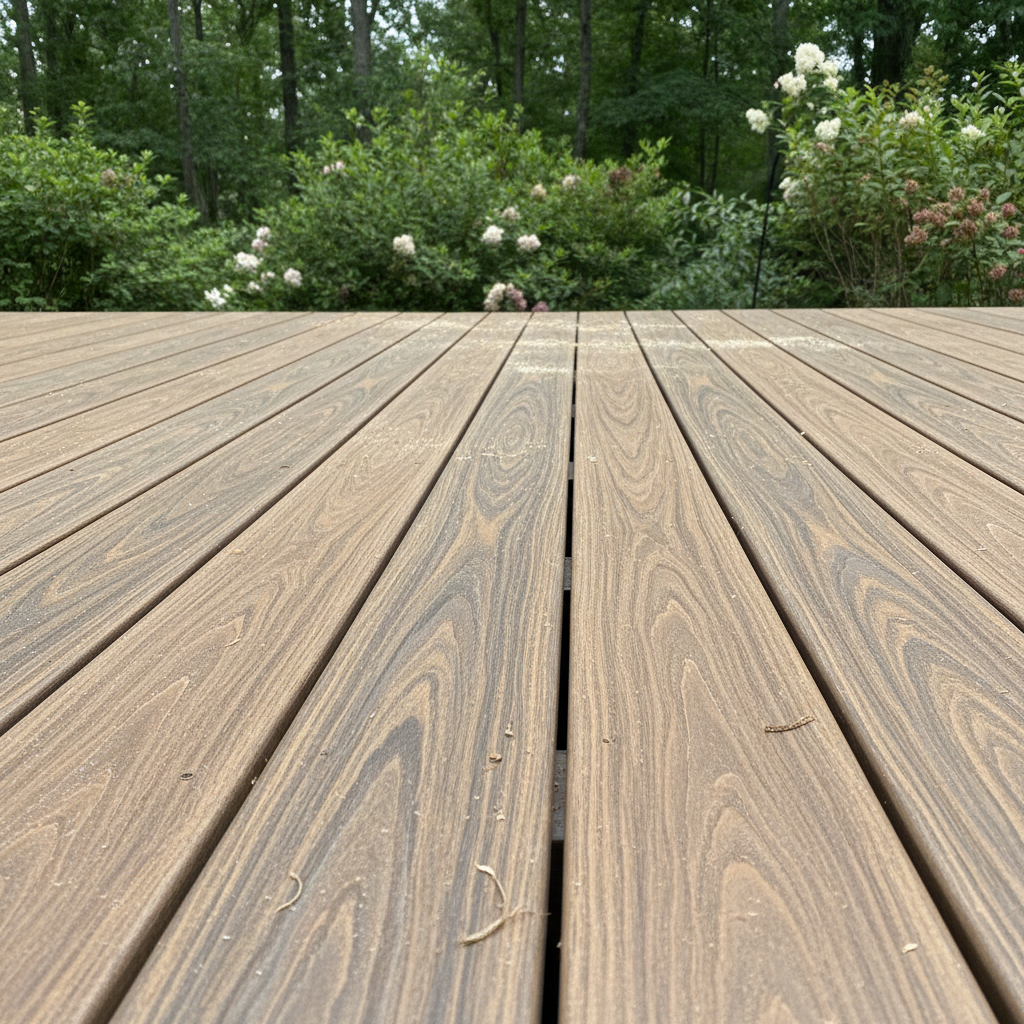
What exactly is Trex decking, and how's it different from wood?
Alright, let's get right to it. Trex isn't wood, plain and simple. It's a composite material, which means it's made from a mix of recycled wood fibers and recycled plastic. Think of it like this: they take sawdust, wood scraps, plastic bags, and other stuff that would otherwise end up in a landfill, grind it all up, mix it with a binder, and then mold it into deck boards. The big difference from traditional wood? Wood is natural, it breathes, it rots, it splinters, and it needs a lot of upkeep. Trex, on the other hand, is engineered. It's designed to resist all those problems you get with wood – rot, insects, splinters, and fading – because of its composition and that protective cap layer they put on most of their boards now. It's a manufactured product built for durability and low maintenance.
Is Trex really maintenance-free, or is that just marketing talk?
Look, nothing is truly 'maintenance-free' unless it's not exposed to the elements. If someone tells you that, they're selling you a dream, not a deck. Trex is definitely 'low-maintenance,' and that's a huge selling point. You won't be staining it every couple of years, you won't be sanding down splinters, and you won't be replacing rotten boards. That's a fact. But you still need to clean it. Dirt, pollen (and boy, do we get some pollen here in Morganton!), leaves, and mildew can still build up on composite surfaces just like they do on anything else outdoors. A good wash with soap and water, or a gentle pressure wash (on a low setting, mind you, you don't want to damage the surface) once or twice a year will keep it looking great. So, not 'maintenance-free,' but a heck of a lot less work than a wood deck, especially if you're comparing it to something like pressure-treated pine.
How much does a Trex deck cost compared to a traditional wood deck?
This is usually the first question people ask, and it's a good one. Upfront, a Trex deck is almost always going to cost more than a pressure-treated wood deck. You're paying for that engineered material, the manufacturing process, and the benefits of low maintenance. Depending on the specific Trex line you choose (they have different tiers, from basic to premium), you could be looking at anywhere from 1.5 to 2.5 times the material cost of pressure-treated lumber. However, and this is a big however, you need to think about the long game. Over 10-15 years, when you factor in the cost of stains, sealers, power washing, and potential board replacements for a wood deck, the Trex deck often breaks even or even becomes more affordable. You're investing more upfront to save time and money down the road. For example, if you're doing a big deck that's going to get a lot of sun and rain, like those beautiful homes up on Lake James, the long-term savings on maintenance with Trex can be significant.
Does Trex get hotter than wood in the summer sun?
This is a common concern, especially with our hot Carolina summers. The short answer is yes, some Trex boards can get hotter than natural wood, especially the darker colors. Think about it: a dark surface absorbs more sunlight. However, Trex has been working on this. Their newer lines, particularly the Transcend and Trex Enhance Naturals collections, are engineered with materials that reflect more sunlight and dissipate heat better than their older products or some competing composites. They're not going to be cool to the touch on a 95-degree day, but they're generally comfortable enough for bare feet. If you're really worried about heat, I'd steer you towards lighter colors. It's a trade-off, but for most folks, the heat isn't a deal-breaker, especially if you've got some shade or you're not planning on sunbathing directly on the deck at high noon.
What about fading and scratching? Will my Trex deck still look good after a few years?
This is where Trex really shines compared to older composite products. Modern Trex boards, especially those with the protective cap layer (which is most of what they sell now), are incredibly resistant to fading. They come with really good warranties against fading and staining. You'll see a slight initial 'weathering' in the first few months as the surface settles, but after that, the color holds up remarkably well. As for scratching, they're pretty tough. They're not indestructible, of course. Dragging heavy furniture with sharp edges or dropping something really abrasive could leave a mark. But for normal wear and tear – kids playing, pets walking around – they hold up a lot better than a soft wood like pine. If you're planning on having a lot of heavy traffic or moving things around a lot, just be mindful and use furniture pads.
Can I install Trex myself, or should I hire a professional?
You know, I've seen some pretty ambitious DIY projects, and some of them turn out great. If you're handy, have experience with construction, and you're building a simple, ground-level deck, you might be able to tackle it. Trex provides excellent installation guides, and the boards are consistent, which helps. However, if you're talking about anything with railings, stairs, multiple levels, or if you're not confident in your carpentry skills, I strongly recommend hiring a professional. Building a deck isn't just about screwing boards down; it's about proper framing, footings, structural integrity, and meeting local building codes. Here in Morganton, we've got specific codes to follow, and you want to make sure your deck is safe and built to last. A professional, like us at Paradise Deck Solutions, has the tools, the experience, and the know-how to get it done right, safely, and efficiently. It's an investment, and you want it done correctly the first time.
What's the lifespan of a Trex deck, and what kind of warranty does it have?
The lifespan of a Trex deck is one of its biggest advantages. Trex stands behind its product with some really solid warranties. For most of their capped composite decking lines, you're looking at a 25-year limited residential warranty against material defects, fading, and staining. Some of their higher-end lines even offer a 50-year warranty. That's a long time! When you compare that to a wood deck that might need significant repairs or even replacement after 10-15 years, it's a huge difference. With proper installation and basic cleaning, your Trex deck should easily last for decades, looking good and performing well, which means you get to enjoy your outdoor space without a lot of headaches for a very, very long time.